10 Fun Educational Games for Kids to Play at Home
Looking for fun activities for kids at home? Discover 10 educational games that inspire creativity, encourage problem-solving, and offer plenty of ways to play, both online and offline.
We've all heard it: "I'm bored!"
Sometimes it comes five minutes after the toys have been put away. Other times, it's halfway through a rainy afternoon when going outside isn't an option.
The good news? Keeping kids entertained doesn't have to mean buying another toy or planning an elaborate activity. A piece of paper, a few pencils, and a little imagination can go a surprisingly long way.
Here are 10 educational games for kids to try at home. Some need nothing more than paper and pencils, while others can be played online. Whether your child enjoys puzzles, drawing, or a little friendly competition, there's something here for everyone.
Most require very little preparation, and several can be enjoyed completely screen-free.
1. Mazes: Find Your Way Through
There's something satisfying about finding your way through a maze, especially when you've already run into a few dead ends.
Mazes are a great starting point for kids who enjoy puzzles but aren't quite ready for more complicated challenges.
The goal is simple: find a path from the entrance to the exit. Getting there, however, may require a little planning.
As children work through a maze, they practice looking ahead, comparing different routes, and trying again when something doesn't work.
Make it more interesting:
- Ask your child to study the maze before drawing a line.
- Challenge them to find a route without entering any dead ends.
- Let them design a maze for you to solve.
You can start with easy mazes and gradually introduce more complicated ones as your child becomes more confident.
Explore free mazes on MarcoKiemas. You can solve them online or print them for later.
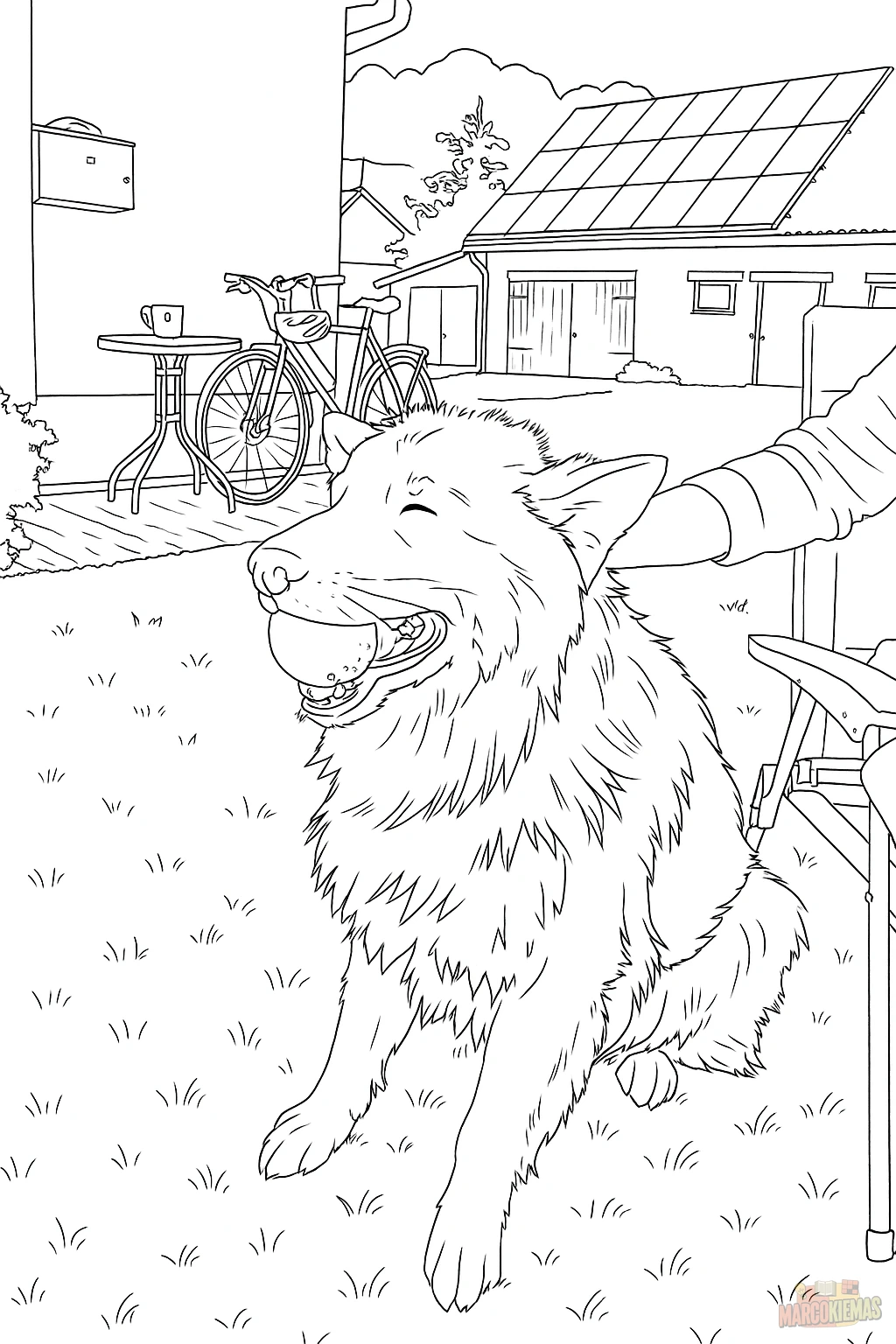
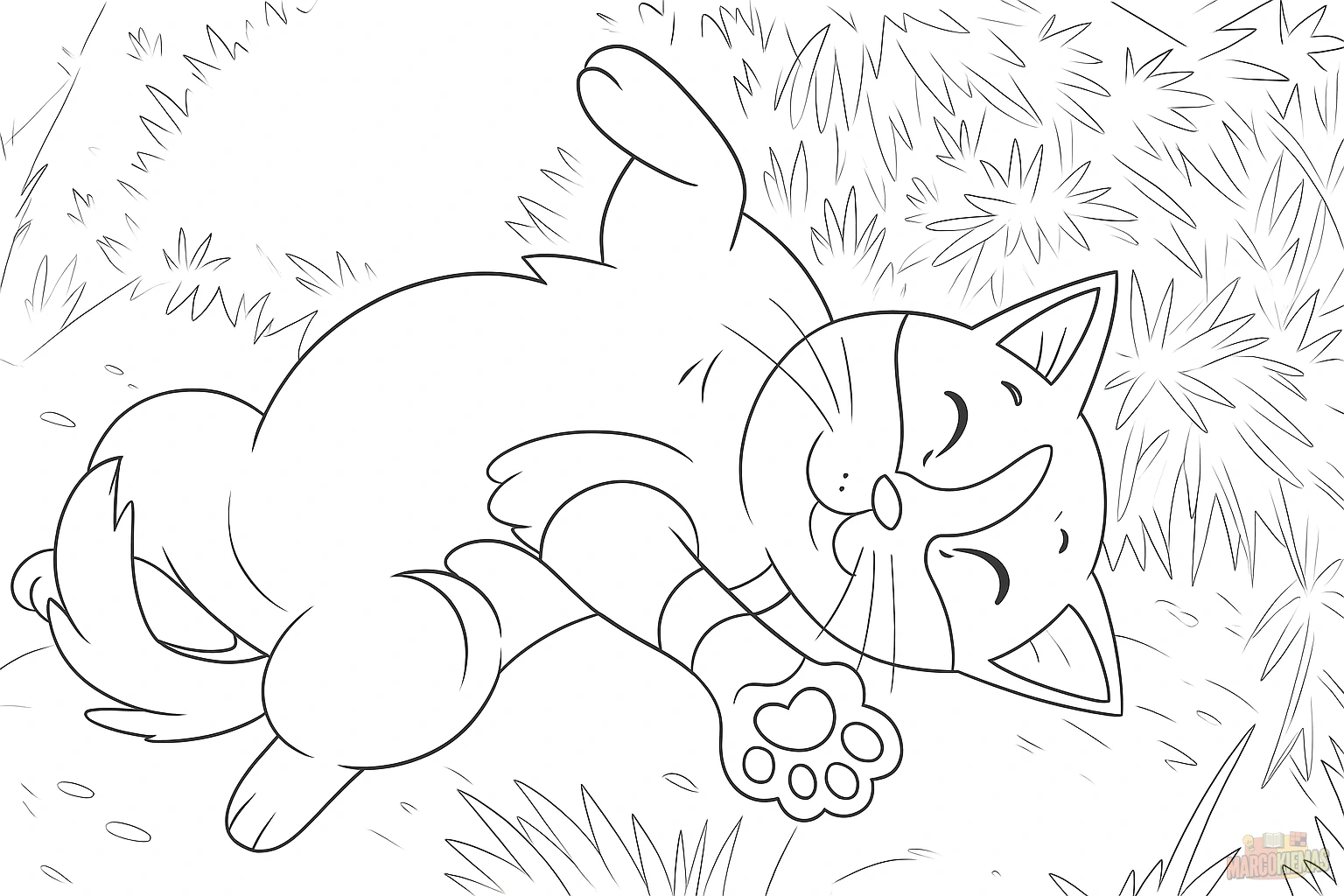
2. Coloring Pages: Let Their Imagination Run Wild
Coloring might seem like one of the simplest children's activities, but it offers plenty of opportunities to be creative.
And the best part? There are no wrong colors.
If your child wants to make a purple elephant, an orange ocean, or a green spaceship, why not?
Coloring gives children a chance to practice pencil control, explore colors, and make their own artistic choices. It can also be a lovely way to wind down after a busy day.
Try turning a coloring session into a storytelling activity.
Ask questions like:
- Where does this animal live?
- What's happening in the picture?
- Where is that car going?
- What would happen next?
A simple coloring page can quickly turn into a whole imaginary world.
Browse printable coloring pages and download a favorite as a PDF.
3. Word Search Puzzles: A Little Treasure Hunt for Words
Imagine a grid filled with letters. Somewhere inside are hidden words waiting to be discovered.
They might be animal names, countries, foods, or anything else your child finds interesting.
That's the appeal of a word search puzzle: it's a treasure hunt where the treasure is made of letters.
Word searches encourage children to recognize spelling patterns, scan carefully, and stay focused while looking for something specific.
They're particularly enjoyable for children who already recognize letters and are developing their reading skills.
Try making it personal.
If your child loves dinosaurs, create a puzzle filled with dinosaur names. If they're learning about space, use planets and other space-related words.
You could even make a puzzle using the names of family members.
For extra fun, print two copies and see who can find all the words first.
Try free word search puzzles or create one using your own words.
4. Crosswords: Turn Questions Into a Game
Some kids love answering questions. Others enjoy figuring out how things fit together.
Crosswords offer a little of both.
Each clue leads to a word, and every correct answer helps fill in more of the puzzle.
For younger children, simple crosswords with pictures or short words can make a good introduction. Older kids may enjoy clues involving geography, science, animals, or general knowledge.
Crosswords can encourage vocabulary practice, spelling, and recalling information children have already learned.
They also work well as a family activity.
One person reads the clues, another suggests an answer, and someone else checks whether it fits.
And there's no need to finish everything in one sitting. Sometimes coming back to a tricky clue later is part of the fun.
Explore crosswords on MarcoKiemas or make a custom crossword based on your child's interests.
5. Sliding Puzzles: One Empty Space, Plenty of Thinking
Sliding puzzles have a clever little twist.
Instead of picking up pieces and placing them wherever you like, you move picture tiles into an empty space until the original image is restored.
It sounds straightforward until you realize that moving one piece can affect several others.
Children need to think about which tile to move next and how that decision might change the rest of the puzzle.
It's an enjoyable way to practice spatial reasoning, planning, and patience.
Start with a smaller 3 × 3 puzzle. Once that becomes comfortable, try a 4 × 4 or 5 × 5 grid for a bigger challenge.
You can also turn it into a personal challenge by counting the number of moves needed to finish.
Play sliding picture puzzles and see if you can put everything back in place.
6. The Missing Object Memory Game
This is one of those games that takes almost no preparation and can be played with things you already have at home.
Collect six or seven small objects, such as:
- A spoon
- A toy car
- A pencil
- A key
- An eraser
- A small ball
Place them on a table and give your child about 30 seconds to look at everything.
Then cover the objects, secretly remove one, and uncover the rest.
What's missing?
If your child figures it out easily, add more objects or rearrange them before revealing the table.
For an extra challenge, ask your child to remember where each object was originally placed.
It's a simple game that encourages visual memory and attention to detail.
It also works well when you're traveling or visiting family, since almost any collection of everyday objects will do.
7. An Indoor Treasure Hunt
Who says treasure hunts have to happen outdoors?
With a few handwritten clues, your living room can become the starting point for a miniature adventure.
Hide a small object somewhere in the house. Then prepare a trail of clues leading from one hiding place to another.
Your first clue might say:
"I'm cold inside and keep your food fresh. Your next clue is waiting where I am."
That leads to the refrigerator, where another clue points toward the bookshelf, the sofa, or somewhere else.
For younger children, try using drawings instead of written clues. For older kids, include riddles or simple math problems.
Indoor treasure hunts encourage children to follow instructions, make connections, and solve small problems along the way.
The final treasure doesn't need to be a toy or candy.
It could be a note saying, "You get to choose tonight's family game!"
8. Paper Airplane Challenges
A single sheet of paper can lead to an entire afternoon of experimenting.
Start by folding a paper airplane together.
Then test it.
Does it fly straight? Does it dive toward the floor? What happens if you change the angle of the wings?
Instead of simply throwing airplanes around, try a few challenges:
- Whose airplane flies the farthest?
- Can you land one close to a target?
- Which wing design works best?
- Can you improve the same airplane after each flight?
Children get to practice folding and following instructions while exploring simple ideas about movement and design.
You don't need to explain the physics behind every flight.
Sometimes asking, "Why do you think that happened?" is enough to start an interesting conversation.
Just choose an open space away from fragile objects.
9. Create a Story Using Three Random Words
This game is perfect for children with big imaginations.
Pick three words that don't seem to belong together.
For example:
Dragon. Bicycle. Ice cream.
Now challenge your child to create a story that includes all three.
Maybe a dragon learns how to ride a bicycle so it can visit an ice cream shop. Or perhaps the ice cream seller is secretly a dragon.
There's no right answer, and that's what makes it fun.
Younger children can tell a story out loud in just a few sentences. Older kids can write theirs down, add illustrations, or turn it into a short comic.
You can also take turns adding one sentence at a time.
Before long, you might have a story that neither of you could have imagined alone.
This activity encourages storytelling, vocabulary use, and creative thinking without requiring any special equipment.
10. Host a Family Trivia Night
What animal has eight legs? Which planet is closest to the Sun? What's the largest ocean on Earth?
A few simple questions can turn an ordinary evening into a family trivia night.
Choose around 10 questions from topics your children enjoy.
Animals, nature, geography, movies, fairy tales, and funny family memories all work well.
If you have children of different ages, mix easier and more difficult questions so everyone gets a chance to participate.
You can divide into teams, award points, or simply work together to find the answers.
For a more interactive version, create a trivia game with MarcoKiemas. Players can join using a game PIN and answer questions on their own devices.
It's a fun option for family gatherings, birthdays, or an occasional game night.
How Do You Choose the Right Educational Game for Your Child?
Not every child enjoys the same activities.
Some love drawing for an hour. Others would rather solve three puzzles and move on to something new.
The trick is finding a challenge that feels interesting without becoming frustrating.
Here are a few starting points based on age.
Ages 3–5
Simple mazes, coloring pages, matching activities, and basic memory games are good options to explore.
Keep instructions short and offer help when needed.
Ages 6–8
Children in this age group may enjoy easy word searches, beginner crosswords, treasure hunts with written clues, and smaller sliding puzzles.
Activities involving letters and familiar topics can be especially appealing.
Ages 9–12
Older children might enjoy more challenging puzzles, trivia games, creative writing, and activities that require planning several steps ahead.
Try giving them opportunities to invent their own games or challenges, too.
Of course, age is only a rough guide.
One six-year-old might love a difficult maze, while another would much rather spend the afternoon coloring.
Let your child's interests lead the way.
Why Are Screen-Free Activities Worth Trying?
There's nothing automatically wrong with digital games. Plenty of online activities can be creative, interesting, and educational.
But it's useful to have other options, too.
Screen-free activities give children opportunities to draw, fold, build, move objects around, and interact with the physical world.
They also make it easy to bring family members together.
One person can read the clues while another solves the puzzle. Someone might invent a new rule, or the whole family might get involved in a treasure hunt.
And choosing a screen-free activity doesn't mean you can't use the internet to prepare it.
You might find a maze online, print it, and solve it at the kitchen table. Or download a coloring page for a quiet afternoon.
The goal isn't to make every activity educational or eliminate screens entirely.
It's simply to give children different ways to play, explore, and enjoy their time.
Frequently Asked Questions
What are some good educational games for 5-year-olds?
Simple mazes, coloring pages, matching games, and memory activities are good places to start. Choose games with straightforward rules and adjust the difficulty to your child's interests and abilities.
What can kids do at home on a rainy day?
Try an indoor treasure hunt, paper airplane challenges, printable mazes, coloring, sliding puzzles, or a family trivia game. Many of these activities require only basic household supplies.
Where can I find free printable activities for kids?
You can find free mazes, coloring pages, crosswords, and other puzzles on MarcoKiemas. Several activities can be downloaded as PDFs and printed for use at home or in the classroom.
Do educational games need to be difficult?
Not at all. Even a simple memory game or an easy maze can give children something interesting to think about. The best challenge is one your child can understand, enjoy, and feel motivated to complete.
Can educational games be played without a computer?
Absolutely. Many games, including treasure hunts, memory challenges, storytelling activities, and paper airplane experiments, don't require a device. You can also print puzzles and coloring pages to use offline.
A Little Play Can Go a Long Way
You don't need a cupboard full of expensive toys or a carefully planned schedule to keep kids entertained.
Sometimes all it takes is a puzzle, a few pieces of paper, or a silly question that turns into a great story.
Try a different activity each day. Let your child choose what sounds interesting, and don't worry if things don't go exactly as planned.
After all, some of the best family moments happen when you're simply having fun together.
Looking for somewhere to start?
Visit MarcoKiemas for free puzzles, mazes, crosswords, and printable coloring pages. You might just find your family's next favorite activity.
Keep reading


For kids
A crossword for kids
Picture clues: great for children who are just learning to read.
Coloring pages
Need a calmer break? Explore printable coloring sheets.